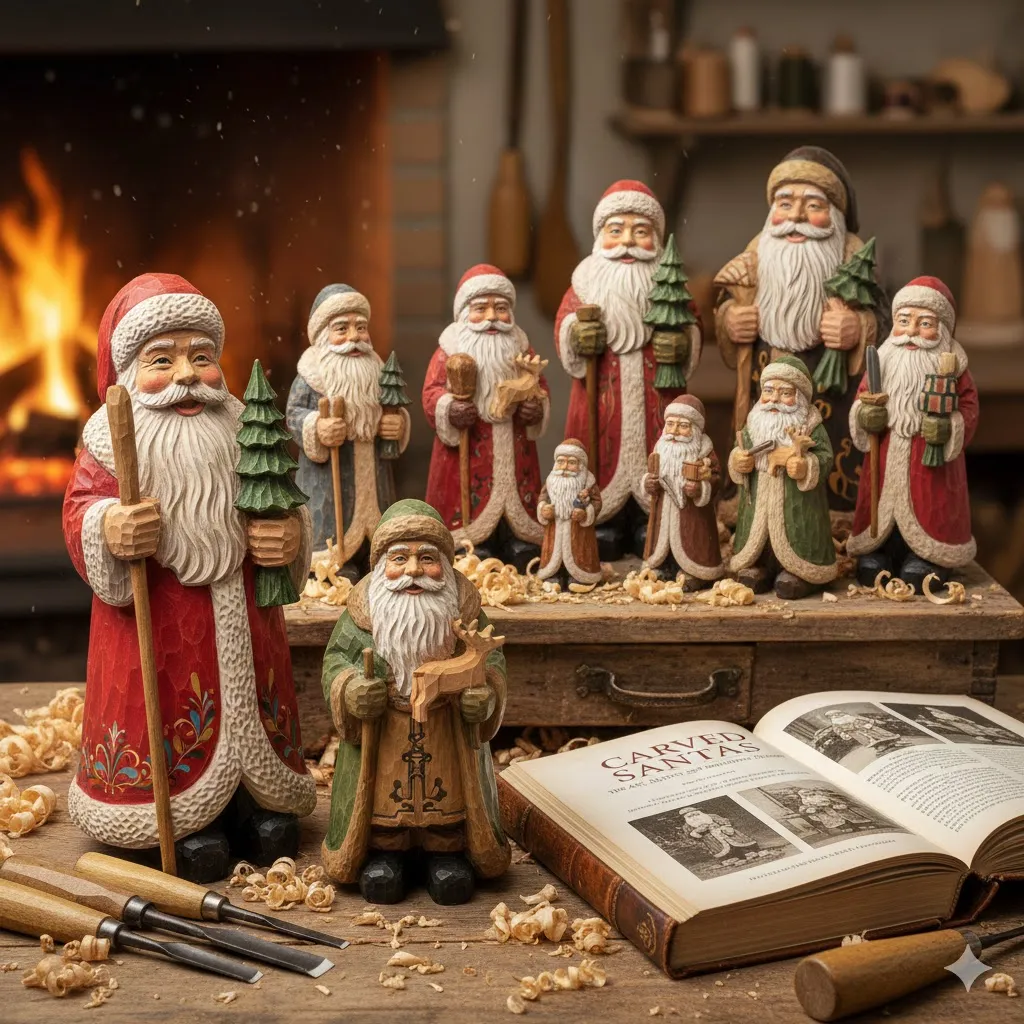
The image of Santa Claus is instantly recognizable around the world, but few expressions of this beloved figure are as timeless and meaningful as carved Santas. These handcrafted representations capture more than a cheerful holiday character—they preserve tradition, craftsmanship, and cultural storytelling in wood, stone, and other natural materials. From folk art roots to modern decorative collections, carved Santas continue to hold a special place in holiday décor and artisan communities alike.
The Origins of Santa Carving Traditions
The tradition of carving Santa figures has deep roots in European folk art. Long before mass-produced decorations became common, artisans relied on hand tools and local materials to create festive objects for their homes and communities. In regions such as Germany, Scandinavia, and Eastern Europe, woodcarving was a respected skill passed down through generations.
Early Santa carvings were often inspired by St. Nicholas, a historical figure known for generosity and kindness. These early interpretations emphasized humility rather than commercial cheer, depicting Santa as a simple, robed figure with subtle expressions. Over time, as Santa’s image evolved through literature and illustration, carvers adapted their designs to reflect the now-familiar red suit, white beard, and warm smile.
Materials Commonly Used in Santa Carvings
One of the defining qualities of carved Santas is the use of natural materials. Wood remains the most popular medium, particularly basswood, pine, and cedar. Basswood is especially favored by beginners and professionals alike because of its soft texture and fine grain, which allows for detailed facial features and flowing beards.
Stone and soapstone are also used, though less frequently, for more durable and rustic designs. In coastal regions, driftwood has become a creative alternative, lending a weathered and organic appearance to Santa figures. Each material influences the final look, making every piece unique.
Tools and Techniques Behind the Craft
Creating carved Santas requires patience, skill, and a deep understanding of form. Traditional tools include carving knives, gouges, chisels, and mallets. Modern carvers may also use rotary tools for rough shaping, though fine details are usually completed by hand.
The process typically begins with a rough block of material. The carver sketches or visualizes the design, then gradually removes material to form the basic shape. Details such as facial expressions, clothing folds, and accessories are added last. Sanding and finishing complete the piece, often using natural oils, stains, or paint to enhance the carving without hiding the grain.
Styles and Variations Across Cultures
One reason carved Santas remain so popular is the wide variety of styles available. Traditional European designs often feature tall, slender figures with long coats and minimal ornamentation. American folk art styles tend to emphasize warmth and friendliness, with rounder faces and expressive eyes.
In Scandinavian traditions, Santa-like figures are sometimes blended with folklore characters such as the “nisse” or “tomte,” resulting in shorter, more whimsical designs. Coastal and regional interpretations may incorporate local elements, such as fishing gear or wildlife motifs, making each carving a reflection of its origin.
Symbolism and Emotional Value
Beyond decoration, carved Santas carry symbolic meaning. They represent generosity, joy, and the spirit of giving—values closely associated with the holiday season. Because they are handmade, these carvings often become heirloom items, passed from one generation to the next.
Many families display the same Santa carving year after year, creating a sense of continuity and nostalgia. The imperfections and tool marks left by the artist add character, reminding viewers that the piece was shaped by human hands rather than machines.
Collecting and Displaying Santa Carvings
Collectors of carved Santas appreciate both the artistic and historical value of these pieces. Some seek out specific artists or regional styles, while others focus on a particular era or material. Limited-edition carvings and signed works are especially prized.
Displaying Santa carvings can be as simple or elaborate as desired. Some people place them on mantels, shelves, or entry tables as focal points of their holiday décor. Others create themed displays featuring multiple carvings in varying sizes and styles. Proper care—such as avoiding excessive moisture and direct sunlight—helps preserve the carvings for decades.
Modern Interpretations and Contemporary Artists
While rooted in tradition, carved Santas continue to evolve. Contemporary artists experiment with abstract forms, minimalist designs, and mixed media. Some combine carving with painting techniques, while others leave the wood unfinished for a natural look.
Modern themes may include environmental awareness, cultural diversity, or storytelling elements. These fresh interpretations ensure that Santa carving remains a living art form rather than a relic of the past.
Learning the Craft: A Hobby for All Ages
Woodcarving Santa figures has become a popular hobby, especially during the winter months. Beginner kits and instructional books make the craft accessible to newcomers, while carving clubs and workshops provide community and mentorship.
For many hobbyists, carving Santas is a relaxing and rewarding activity. It encourages creativity, improves hand-eye coordination, and offers a meaningful alternative to mass-produced decorations. Completing a carving brings a sense of accomplishment and connection to a long-standing artistic tradition.
Why Carved Santas Remain Timeless
In a world filled with disposable décor, carved Santas stand out for their authenticity and durability. Each piece tells a story—of the artist, the material, and the cultural influences behind it. Their enduring appeal lies in the balance between familiarity and individuality.
Whether displayed as a single cherished figure or collected in a curated arrangement, carved Santas continue to embody the warmth and spirit of the holiday season. They remind us that craftsmanship, tradition, and personal touch still matter, especially during times meant for reflection and togetherness.
Conclusion
Carved Santas are more than holiday decorations; they are expressions of art, heritage, and human creativity. From their historical roots to modern interpretations, these handcrafted figures connect past and present through skillful design and meaningful symbolism. As trends come and go, the timeless charm of carved Santas ensures they will remain a beloved part of seasonal celebrations for generations to come.